10.86° N, 72.19° E · India
Lakshadweep
Quiet coral lagoons for families who come for the water.
Why go
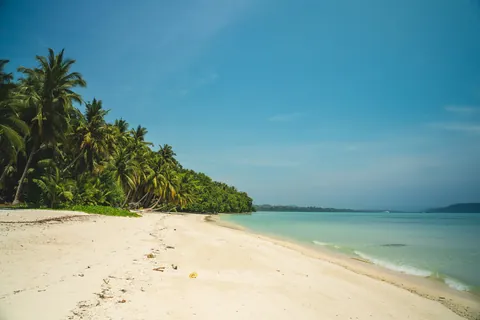
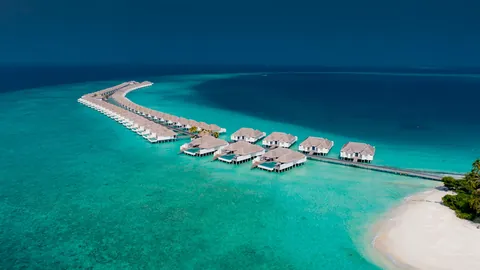
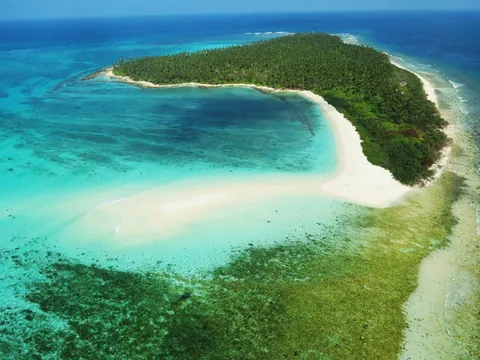
Lakshadweep is a scatter of small coral islands far out at sea, and the quietest beach holiday in India. The island with the airstrip is only a few hundred metres wide, with a calm lagoon on one side and the open sea on the other. Nearby islands have a single resort each, and the days are snorkelling, kayaking and watching the water change colour.
It suits honeymooners and small families who are happy with the sea and each other. It does not suit anyone who wants shopping, restaurants or nightlife. There are only a few hundred beds across all the islands, and alcohol is not served on the inhabited islands. Seniors manage well if they can step in and out of a boat.
The mistake first-timers make is to book flights before the entry permit. Every visitor needs a permit, and it takes weeks, not days. Start there, stay flexible about which island you get, and expect boat timings to change with the sea.
When to go
- JJanuary (good)
- FFebruary (good)
- MMarch (good)
- AApril
- MMay
- JJune
- JJuly
- AAugust
- SSeptember
- OOctober (good)
- NNovember (good)
- DDecember (good)
- October to MarchPeak season. Calm lagoons, warm days, clear water for snorkelling and boat transfers that run on time most days. Permits and rooms go early for December and January.
- April to MayHot and still, with a calm sea until the swell builds in late May. Fewer visitors, and the last window before the monsoon stops boat transfers.
- June to SeptemberMonsoon. Rough seas, island boats stopped, flights hit by weather and most resorts shut. This is not a season for visitors.
Getting there
- By airFlights from the nearest big airport with one change; we book the best connection for your dates. The last leg is a small aircraft that flies in the morning, so a night on the mainland on the way is common.
- By trainThere is no train to the islands. Government passenger ships sail from the mainland in fourteen to twenty hours, a few times a week, but most visitors fly.
- By roadNot possible from the mainland. Between the islands, transfers are by boat. On land you get around by cycle or small vehicle, since each island is only a few kilometres long.
- PickupPickup from Satara and Phaltan can be arranged for group departures.
What you will experience
- 01Snorkelling in a calm lagoonShallow, clear water a few steps from your room, with coral and bright fish just below the surface.
- 02A day on an island with no roadA short boat ride to a quiet island with one resort, a coral lagoon and a sandbank for sunset.
- 03Kayaking over the coralPaddling across a lagoon so clear you can see the sand and coral below the kayak.
- 04A glass-bottom boat rideCoral gardens seen through the floor of the boat, good for grandparents and small children.
- 05The marine aquariumA small aquarium on the main island that shows the fish and coral of the reef.
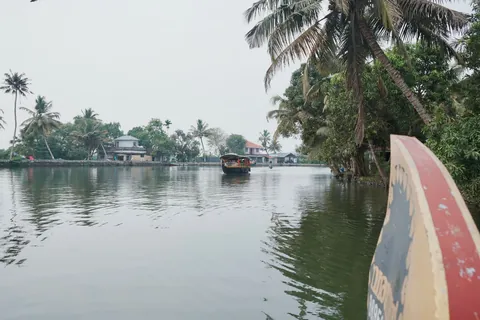
- 06Island village lifeWalks past coconut groves, fishing boats and white mosques on the inhabited islands.
Tour Lakshadweep with us
India
Lakshadweep
Quiet coral lagoons and island calm
- Hotels
- Veg meals
- Transport
- Sightseeing
Best Oct–Mar
Itinerary & price on enquiry
Practical
- Vegetarian food
- Islanders eat fish, rice and coconut. The resorts cook a plain vegetarian spread of rice, sambar, vegetable curries, chapati and fruit for guests who ask, with South Indian breakfasts. Variety depends on what the supply ship brings, so carry dry snacks and tell us about Jain or other needs when you book.
- Documents and permits
- Every visitor who is not a native of the islands needs an entry permit, applied for through the resort with a police clearance certificate, ID copies and photographs. Allow four to six weeks. Carry the original ID that matches the permit, since it is checked on arrival. Alcohol is not allowed on the inhabited islands.
- Phones and money
- Mobile signal works on the two main islands and data has improved with a new undersea cable, but the resort islands and the boats have almost no signal. ATMs are few and UPI is unreliable, so carry cash for the whole trip. Cards are accepted only at the resorts.
- What to carry
- Swimwear, a rash vest and water shoes for coral and rocky lagoon edges
- Reef-safe sunscreen, a hat and sunglasses; there is little shade on the sand
- Dry snacks and any special foods, since shops are few and stock is small
- The original ID that matches your permit
- Your regular medicines with the prescription; pharmacies are small and far apart
Questions about Lakshadweep
How do we get the entry permit?
Through the resort that holds your booking. You send ID copies, photographs and a police clearance certificate from your local police station, and the permit usually comes in a few weeks. Book the islands first and the flights after.
Which island should we choose?
The island with the airstrip is the easiest, since you land there. The resort islands are quieter and prettier, with a boat transfer that depends on the sea. Most short trips combine the two.
How many nights are enough?
Most families take three to four nights on the islands, plus a night on the mainland on the way because the island flight leaves in the morning. Beyond five nights, the few activities start to repeat.
Is it safe for children and non-swimmers?
The lagoons are shallow, calm and clear, and snorkelling is done in life jackets with a guide, so non-swimmers and children above about six manage well. The real risk is the sun, so keep long sleeves, hats and shade around midday.